
Title: FinTech Revolution: Empowering Innovation in Financial Services
In recent years, FinTech (Financial Technology) has emerged as one of the most transformative forces in the financial industry. Combining technology with financial services, FinTech startups are reshaping traditional banking models, creating opportunities for enhanced customer experience, improved efficiency, and reduced costs. This revolution is not only a response to the evolving consumer demands but also a direct result of innovation driven by startups, which are now seen as key players in the financial services sector.

The Rise of FinTech: A Game Changer for Financial Services
The convergence of technology and finance has led to the rapid development of digital platforms, apps, and tools that are challenging the conventional structure of financial services. Traditional banks and financial institutions are facing pressure from emerging FinTech startups that offer smarter, faster, and more customer-centric solutions. For consumers, this translates into improved access to financial products, better financial management tools, and an overall enhanced experience.
The rise of FinTech has made financial services more inclusive, allowing individuals and businesses, especially in underserved regions, to access services that were previously out of reach. It has introduced an era where anyone with an internet connection can take advantage of financial tools such as digital wallets, online loans, and peer-to-peer lending.
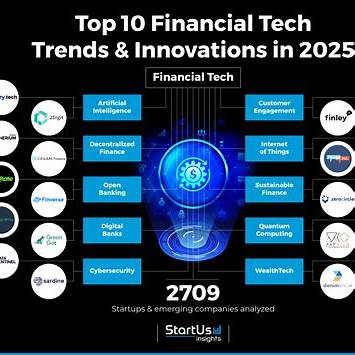
Technology: The Driving Force Behind FinTech Innovation
At the heart of the FinTech revolution is technology. The integration of blockchain, artificial intelligence (AI), machine learning (ML), big data, and cloud computing has given rise to new possibilities in financial services.
- Blockchain: Originally developed for cryptocurrencies like Bitcoin, blockchain technology is now being used for various applications in the financial sector. Blockchain’s decentralized and transparent nature enables secure transactions, making it ideal for use in payment systems, smart contracts, and cross-border transactions.
- Artificial Intelligence (AI) and Machine Learning (ML): AI and ML are helping financial institutions provide personalized services to customers. AI-powered chatbots, robo-advisors, and fraud detection systems are examples of how AI is enhancing the customer experience and improving decision-making in financial services.
- Big Data and Analytics: By leveraging big data, FinTech companies can analyze vast amounts of customer information to offer personalized financial advice, detect fraud, and predict customer behavior. The ability to analyze and interpret data in real time helps financial institutions make informed decisions and improve operational efficiency.
- Cloud Computing: Cloud technology allows FinTech startups to offer scalable and cost-effective services without the need for large on-premise infrastructure. This has made it easier for startups to innovate and compete with established financial players.
FinTech Startups: Innovators of the Financial Sector
Startups play a crucial role in the growth of FinTech. These young companies are challenging the status quo of traditional financial institutions by introducing innovative products and services that are often more user-friendly, efficient, and affordable.
- Digital Payments: One of the most significant FinTech innovations has been the development of digital payment systems. Companies like PayPal, Stripe, and Square have revolutionized the way consumers and businesses make payments. These platforms offer secure, instant, and convenient transactions, eliminating the need for cash or physical cards.
- Lending Platforms: Peer-to-peer lending platforms, such as LendingClub and Prosper, have disrupted traditional banking by allowing individuals to lend money to others without going through a bank. These platforms use technology to match borrowers with investors, often at more favorable terms than traditional banks can offer.
- Robo-Advisors: The introduction of robo-advisors has democratized investment management. Startups like Betterment and Wealthfront use algorithms and AI to offer personalized investment advice at a fraction of the cost of traditional financial advisors. These platforms are accessible to a broader audience, making investing more accessible to people who may not have had the means to access financial planning services before.
- InsurTech: Another significant innovation in the FinTech space is the rise of InsurTech companies. These startups are transforming the insurance industry by using technology to streamline processes, improve customer experience, and reduce costs. Companies like Lemonade and Root Insurance are changing the way insurance products are marketed, sold, and managed.
The Benefits of FinTech for Consumers and Businesses
FinTech has a range of benefits for both consumers and businesses alike. By leveraging technology, these financial services can offer more accessible, affordable, and efficient solutions.
- Enhanced Accessibility: FinTech has significantly improved accessibility to financial services, especially for unbanked or underbanked populations. Mobile apps, online lending platforms, and digital wallets make it easier for people to access financial services without the need for a physical bank branch.
- Lower Costs: Traditional financial services often involve high fees for things like ATM withdrawals, money transfers, and loan processing. FinTech platforms, by leveraging technology, are able to reduce or eliminate many of these costs, offering customers more competitive rates and fees.
- Improved Financial Inclusion: By providing a wider range of financial products and services, FinTech has empowered individuals and small businesses in developing economies, allowing them to participate in the global economy.
- Increased Efficiency: The use of automation and AI in financial processes allows for faster transactions, quicker loan approvals, and more accurate risk assessments, leading to overall improved efficiency in the financial services industry.
- Personalized Services: The ability of FinTech companies to analyze big data means that financial services can be highly personalized. Whether it’s tailored investment strategies or customized loan offers, technology allows FinTech companies to create solutions that are specific to individual needs.
The Future of FinTech: Opportunities and Challenges
The future of FinTech looks promising. The industry is expected to continue to grow, with startups leading the way in innovation. However, there are challenges that need to be addressed. Regulatory hurdles, security concerns, and the digital divide remain key issues that the industry must address for sustained growth.
- Regulatory Challenges: As FinTech companies disrupt traditional financial models, they must navigate complex and evolving regulatory environments. Governments are beginning to put in place frameworks that aim to protect consumers while fostering innovation in the sector.
- Cybersecurity: With the increasing reliance on digital platforms for financial services, cybersecurity becomes a critical concern. FinTech companies must ensure that they have robust security systems in place to protect user data and prevent fraud.
- Adoption of Emerging Technologies: The continued growth of blockchain, AI, and other emerging technologies presents both opportunities and challenges. FinTech companies need to keep up with these technologies to stay competitive, while also managing the risks associated with them.
Conclusion
The FinTech revolution is transforming the financial services sector, with technology at its core. Startups are leading the charge, creating innovative products and services that are reshaping how we manage and interact with money. While challenges remain, the future of FinTech looks bright, with the potential to provide more accessible, affordable, and efficient financial services to people around the world.